
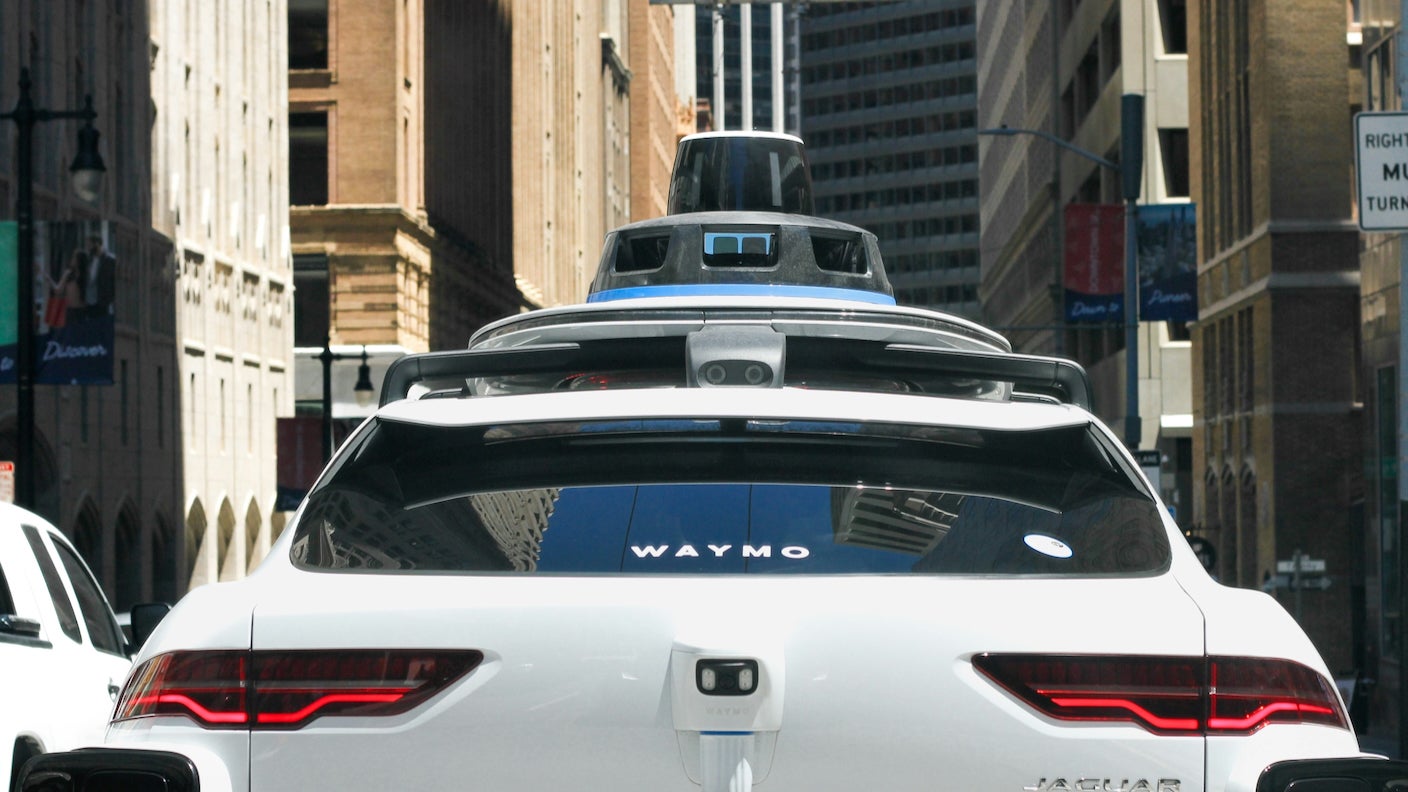
Robotaxis have been more expensive with longer wait times. A study by Obi suggests that may be changing.
Robotaxis have long promised cheaper trips and shorter wait times, but so far, providers have struggled to match traditional platforms. New pricing and timing data from San Francisco shows that driverless services are now narrowing the gap with Uber and Lyft.
While it’s been possible to hail a driverless taxi in the US since 2020, they have long felt like an expensive novelty. Tourists and tech enthusiasts often piled in for some not-so-cheap thrills, but higher prices and longer wait times meant few people were relying on them on a regular basis.
But a new study from ride-hailing price aggregator Obi suggests that may be about to change. Data on nearly 100,000 rides in San Francisco between Thanksgiving and New Year’s Day, shows Waymo is now much more competitive with Uber and Lyft on both cost and availability. And while Tesla’s robotaxis still require a human safety driver and wait times remain long, the company is now undercutting everyone on price.
“That’s the biggest change to me,” Ashwini Anburajan, CEO of Obi, told Business Insider. “It’s the convergence in price as well as the reduced wait times because now you can actually compare them. It’s a more honest comparison between the three platforms.”
The last time Obi analyzed data on these two key metrics was in June 2025, when it found that Waymo rides cost 30 to 40 percent more than conventional ride-hailing. By late 2025, that premium had shrunk to just 12.7 percent more expensive than Uber and 27.3 percent more than Lyft. And for longer rides between 2.7 and 5.8 miles the gap nearly disappears, with Waymo only 2 percent pricier than Uber and 17 percent more than Lyft.
Tesla, on the other hand, is now the cheapest service by a significant margin. The average Tesla ride costs $8.17 and rarely exceeds $10, compared to Lyft’s $15.47 average, Uber’s $17.47, and Waymo’s $19.69, which suggests the company is making a concerted play to boost its market share.
“They’re using the playbook that Uber and Lyft used when they first came into the market—dramatically lower pricing, undercutting what’s existing in the market, and really just driving adoption,” Anburajan told Business Insider.
It could be a winning strategy. Price remains the top concern for customers in a survey Obi conducted as part of the research. However, Tesla is lagging considerably on their second biggest priority—wait times.
Operating with fewer than 200 vehicles across a 400-square-mile area, Tesla’s average wait time is 15.32 minutes—roughly three times longer than its competitors. Waymo on the other hand is within touching distance of the traditional ride-hailing companies with an average wait of 5.74 minutes, compared to Lyft’s 4.20 minutes and Uber’s industry leading 3.28 minutes.
Obi also notes that Waymo’s longer average wait time is largely due to a capacity crunch during the 4 pm to 6 pm rush. During less busy periods, in particular early in the morning, Waymo often has the lowest wait times of all service providers.
Perhaps most importantly, the study discovered consumer attitudes towards driverless technology appear to be shifting. Obi’s survey found 63 percent of adults in areas with robotaxi services are now comfortable or somewhat comfortable with self-driving cars, up from just 35 percent in the previous survey.
Attitudes towards safety have also turned around significantly. Last year, only 30.8 percent of people said they believed autonomous rideshares would be safer than regular taxis within five years, but in the latest survey this jumped to 52.5 percent.
While the research suggests robotaxis are rapidly making up ground on their conventional counterparts, it remains to be seen whether they can fully close the gap in a consumer segment where a few minutes or dollars makes all the difference to customers. But if they can keep up the momentum, it may not be long until there are fewer human drivers on the road.
The post Waymo Closes in on Uber and Lyft Prices, as More Riders Say They Trust Robotaxis appeared first on SingularityHub.
* This article was originally published at Singularity Hub


0 Comments